-
×
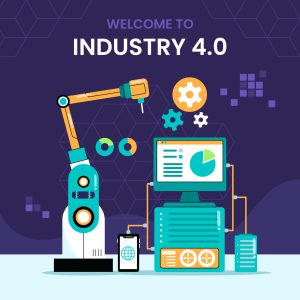 AI in Manufacturing and Industry 4.0 Course
1 × INR ₹5,499.00
Subtotal: INR ₹5,499.00
 AI in Manufacturing and Industry 4.0 Course
1 × INR ₹5,499.00
Subtotal: INR ₹5,499.00
Empowering Diagnostics Through Digital Innovation
Digital pathology represents a major shift in diagnostic medicine, offering improved efficiency, scalability, and accessibility. This course begins by examining the transition from analog to digital pathology, exploring critical components such as slide scanners, image acquisition systems, and integration with Laboratory Information Management Systems (LIMS). Participants will gain insight into telepathology and the development of automated pipelines for diagnostic workflows, leveraging artificial intelligence and metadata-driven image analysis.
Building upon this foundation, the course delves into various imaging modalities—brightfield, fluorescence, and multispectral imaging—while emphasizing image quality control and reproducibility. It also covers computational processing techniques like tissue segmentation and feature extraction. The final segment focuses on interpreting digital pathology data using advanced computational techniques, including scoring algorithms and semantic markup for diagnostics. This program is ideal for learners aiming to be at the forefront of the digital healthcare revolution.
This course aims to provide learners with a comprehensive understanding of the digital transformation in pathology. From slide digitization and imaging standards to computational analysis and diagnostic interpretation, the program is designed to equip participants with the tools and frameworks essential for modern pathological workflows. It bridges the gap between laboratory practices and technological innovation, emphasizing quality, automation, and digital integration for scalable and AI-driven healthcare systems.
Week 1: Digital Systems and Workflow Architecture
Week 2: Imaging Modalities and Quality Protocols
Week 3: Computational Image Processing
Week 4: Machine Intelligence in Pathology Interpretation
Standard: ₹9,998 | $150
Discounted: ₹4999 | $75
We accept 20+ global currencies. View list →
Yes. Paid participants get the session recordings and study material in their NanoSchool dashboard (My registrations → Recorded Lectures / Study Material).
Watch the recording in your dashboard and send your questions to the mentor through the support desk.
Yes, an e-certificate of participation after the workshop, with a QR code anyone can verify and an "Add to LinkedIn" button.
Choose the category that matches your current role: Student, Ph.D. Scholar / Researcher, Academician / Faculty or Industry Professional.
By card, UPI or PayPal on the payment page; international bank transfer is also available there.
See our Returns, Refunds & Cancellation policy: Returns, Refunds & Cancellation policy
Registration open
Live, mentor-led and certified. Dates and times in IST.
with Abhimanyu
with Abhimanyu


