Attribute
Detail
Format
Recorded Lectures (Self-Paced)
Level
Intermediate
Duration
3 Days
Certification
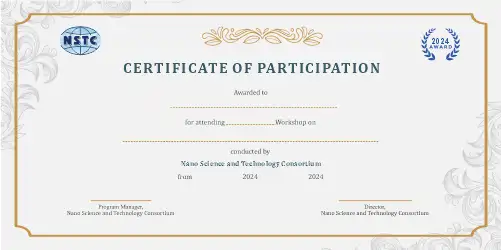
e-Certification + e-Marksheet
Tools
microbial co-culture design, bioprocess parameter tuning, ecological niche modeling, meta-omics analysis, metabolic flux analysis, CRISPR-Cas
About the Artificial Microbial Consortia Course
This comprehensive program provides an in-depth understanding of the principles and techniques involved in constructing and optimizing artificial microbial consortia for bioprocessing applications.
Participants will explore the intricate world of microbial interactions, master design strategies, and apply engineering approaches to tailor microbial communities for specific biotechnological tasks. From environmental remediation to biofuel production and pharmaceutical manufacturing, this course bridges fundamental microbiology with industrial-scale bioprocess engineering through lectures, case studies, and practical insights for sustainable bioproduction.
Program Highlights
• Comprehensive coverage of Designing and Engineering of Artificial Microbial Consortia (AMC) for Bioprocess from fundamentals to advanced applications
• Hands-on projects and real-world case studies in biotechnology
• Expert-curated curriculum aligned with current industry standards
• Access to recorded lectures and e-LMS platform for flexible, self-paced learning
• e-Certification and e-Marksheet upon successful completion
• Dedicated mentor support and interactive doubt-clearing sessions
• Practical experience with tools: microbial co-culture design, bioprocess parameter tuning, ecological niche modeling, meta-omics analysis
• Career-oriented training for academic and professional growth in biotechnology
Course Curriculum
Module 1: Foundations of AMC Design for Industrial Bioprocesses
- Evaluate the potential of AMC for improving established microbial consortium performance
- Develop AMC-based novel processes for bioproduction of platform chemicals, biofuels, and pharmaceutical compounds
- Construct AMC platforms for co-cultures and explore interaction mechanisms for product enhancement optimization
- Apply AMC-based solutions to overcome metabolic restrictions and kinetic limitations in bioprocesses
Module 2: Parameter Optimization and Volumetric Expansion for AMC Bioproduction
- Design and engineer AMC configurations aligned with substrate profiles without compromising product yields
- Execute volumetric expansion of fermentation systems and optimize eco-biotechnological parameters
- Identify bioprocess space (ecological niche) and analyze meta-data of microbial physiologies for strategic microorganism selection
Module 3: Pure Culture Design, Mutual Medium Formulation, and Scale-Up Challenges
- Design eco-biotechnological conditions and bioprocess parameters for cultivating individual pure cultures
- Formulate mutual medium and optimize eco-physiological conditions for consortium stability
- Analyze industrial scale-up challenges and develop mitigation strategies for commercial AMC deployment
Module 4: AMC Applications in Environmental Remediation and Waste Valorization
- Implement AMC systems for biodegradation of pollutants and toxic compounds in contaminated environments
- Engineer consortia for high-value platform chemical production from lignocellulosic and industrial waste streams
- Assess life-cycle impacts and sustainability metrics of AMC-based remediation technologies
Module 5: AMC Engineering for Biofuel Production and Energy Applications
- Construct optimized consortia for enhanced biohydrogen, biobutanol, and advanced biofuel synthesis
- Integrate metabolic engineering principles with consortium-level design for yield maximization
- Evaluate techno-economic feasibility of AMC-based biofuel production platforms
Module 6: AMC in Pharmaceutical and Fine Chemical Bioproduction
- Design consortia for complex natural product synthesis and secondary metabolite production
- Engineer microbial division of labor for multi-step biocatalytic transformations
- Ensure product quality and regulatory compliance in AMC-driven pharmaceutical manufacturing
Module 7: Advanced Tools for Consortium Characterization and Modeling
- Apply omics technologies (metagenomics, metatranscriptomics, metabolomics) for consortium profiling
- Develop computational and kinetic models to predict and optimize consortium behavior
- Utilize synthetic biology tools for programmed microbial interaction engineering
Tools, Techniques, or Platforms Covered
microbial co-culture design
bioprocess parameter tuning
ecological niche modeling
meta-omics analysis
metabolic flux analysis
CRISPR-Cas
quorum sensing engineering
COMETS
DyMMM
NetCooperate
Real-World Applications
- Apply Designing and Engineering of Artificial Microbial Consortia (AMC) for Bioprocess skills directly to academic research, thesis work, and publications
- Build a professional portfolio showcasing practical biotechnology competencies
- Solve industry-relevant problems using Designing and Engineering of Artificial Microbial Consortia (AMC) for Bioprocess methodologies and tools
- Contribute to open-source projects and collaborative research in biotechnology
- Prepare for competitive examinations, interviews, and professional certifications in biotechnology
Who Should Attend & Prerequisites
- Industry-recognized e-Certification + e-Marksheet from NSTC
- Hands-on training with practical projects and industrial datasets
- Dedicated expert mentorship and doubt resolution
Prerequisites: include a foundational understanding of microbiology, basic biochemistry, and familiarity with biopro process concepts. Prior exposure to fermentation technology is beneficial but not mandatory.
Frequently Asked Questions
1. What is the format of this Designing and Engineering of Artificial Microbial Consortia (AMC) for Bioprocess: Application Approaches course?
This is an Recorded Lectures (Self-Paced) course delivered via our e-LMS platform. You will have access to pre-recorded video lectures, reading materials, assignments, quizzes, and hands-on projects that you can complete at your own pace.
2. Will I receive a certificate after completing this course?
Yes! Upon successful completion of all modules, assignments, and assessments, you will receive an e-Certification along with an e-Marksheet from NanoSchool (NSTC) that you can showcase on your CV and LinkedIn profile.
3. What are the prerequisites for this course?
Learners should have a foundational understanding of biotechnology concepts. Familiarity with basic tools and programming is recommended.
4. How long will I have access to the course materials?
You will have access to all course materials for the duration of 3 Days. The self-paced format allows you to learn according to your own schedule through our online learning management system.
5. Is mentor support available during the course?
Yes, dedicated mentor support is available throughout the course. You can reach out for doubt-clearing sessions, project guidance, and career advice related to biotechnology. Our mentors are industry experts and experienced professionals.
Enroll in Designing and Engineering of Artificial Microbial Consortia (AMC) for Bioprocess: Application Approaches today and take the next step in your professional journey. With expert-curated content, practical projects, and industry-recognized certification, this course is your gateway to mastering biotechnology skills that matter.

 Quantum Computing Basics Course
1 × INR ₹2,499.00
 Business Intelligence Basics
1 × INR ₹199.00
 Introduction to Genomic Databases
1 × INR ₹199.00
 Responsible AI for Research and Development: Scientific Writing, Literature Review, Data Analysis and Ethical AI Use
1 × INR ₹2,499.00
 Data Science for Supply Chain: Basics
1 × INR ₹199.00
 Advanced Manufacturing and Smart Factories
1 × INR ₹5,499.00
 Nanomedicine: The Future of Disease Management
1 × INR ₹2,499.00